
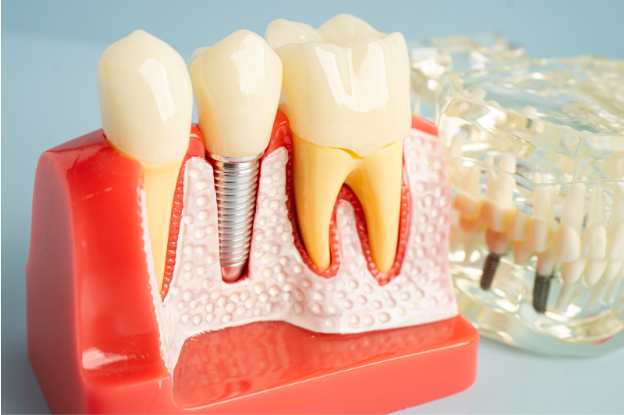

Full dental implants can restore a complete set of teeth and improve both appearance and function. They offer a permanent solution for missing teeth, allowing patients to eat, speak, and smile with confidence. While the procedure is highly effective, it requires careful planning and preparation.
Following essential tips can make the experience smoother, ensure better results, and reduce recovery time. Understanding what to expect before, during, and after the procedure is important for anyone considering full dental implants.
Choose a Skilled and Experienced Dentist
The success of full dental implants depends greatly on the dentist’s expertise. A skilled dentist evaluates the jawbone, overall oral health, and medical history before starting the procedure. They can recommend the right type of implants and placement strategy for each individual.
Choosing a dentist with a strong record in implant dentistry increases the chances of successful results and reduces the risk of complications. Patients should feel confident that the dentist follows proper hygiene, modern techniques, and safety protocols throughout the treatment.
Maintain Good Oral Health Before the Procedure
Healthy gums and teeth are crucial for implant success. Patients should focus on brushing, flossing, and regular dental check-ups before getting implants. Any signs of infection, gum disease, or cavities must be treated beforehand to prevent problems during healing.
Good oral health ensures that the jawbone can properly integrate with the implants. Following these habits also makes recovery faster and helps the implants last longer. Preparing the mouth for implants lays a strong foundation for long-term dental health.
Consider Sedation Dentistry
Full dental implant procedures can be long and sometimes uncomfortable. The sedation dentistry offers a way to remain calm and relaxed during the process. Dentists can use oral medication, nitrous oxide, or intravenous sedation to reduce anxiety and manage pain.
This option allows patients to undergo the procedure more comfortably, especially those who feel nervous about dental work. Discussing sedation options with the dentist helps patients understand what method works best for their needs and ensures a more positive experience.
Follow a Healthy Diet and Lifestyle
After getting dental implants, following a healthy diet and lifestyle supports healing. Soft foods are recommended initially, and chewing should be gradual to avoid pressure on the implants. Avoiding smoking, excessive alcohol, and sugary foods also prevents infections and helps the implants fuse with the jawbone.
Drinking plenty of water and eating foods rich in vitamins and minerals supports tissue repair. A balanced lifestyle contributes to faster recovery and strengthens the long-term success of the implants.
Attend All Follow-Up Appointments
Regular follow-up appointments are essential for monitoring the healing process. Dentists check for proper implant integration, gum health, and any signs of complications. These visits also allow adjustments to ensure comfort and correct bite alignment.
Skipping follow-ups can delay problem detection and affect the overall outcome. Patients who attend every scheduled appointment can protect their investment in dental health and maintain a confident smile for years to come.
Conclusion
Full dental implants offer life-changing benefits for anyone missing teeth. Following the right steps, including choosing an experienced dentist, maintaining oral health, considering sedation dentistry, living a healthy lifestyle, and attending follow-ups, ensures a smooth and successful experience.
Careful preparation and attention to healing can make dental implants feel natural and long-lasting. With proper care, full dental implants can restore confidence, improve quality of life, and create a beautiful, functional smile that lasts for decades.