
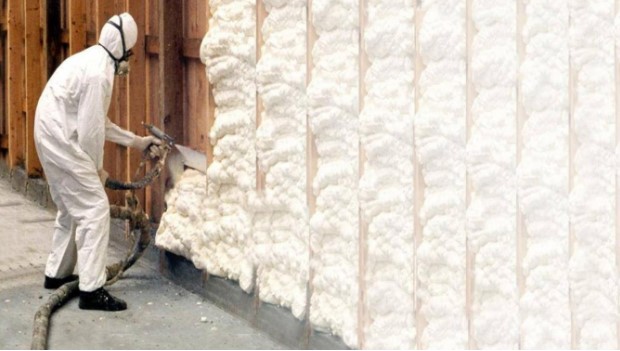

Energy costs and indoor comfort are two of the most persistent concerns for homeowners and building managers, and they are fundamentally connected through the quality of the building envelope that separates conditioned interior space from the outdoor environment. Professional spray foam insulation addresses both concerns simultaneously, delivering thermal performance and air sealing capability that reduces energy consumption while creating interior environments that remain comfortable regardless of outdoor conditions.
The Connection Between Insulation and Heating and Cooling Costs
Heating and cooling account for the largest share of energy consumption in most residential and commercial buildings. The rate at which thermal energy moves between the conditioned interior and the outdoor environment determines how hard HVAC systems must work and therefore how much energy they consume. Insulation with high thermal resistance slows this heat transfer, reducing the conditioning load on HVAC systems. Air leakage creates an additional energy loss pathway that insulation alone cannot address, which is why spray foam’s simultaneous delivery of high R-value and effective air sealing produces energy savings that exceed what either property alone would achieve.
Eliminating Comfort Problems Caused by Building Envelope Deficiencies
Many comfort complaints in buildings with conventional insulation are caused not by inadequate heating or cooling capacity but by envelope deficiencies that allow cold or warm air infiltration and create temperature variations between spaces. Drafts near windows, doors, and electrical penetrations, cold spots on exterior walls in winter, and excessive humidity from outdoor air infiltration in summer are all symptoms of air leakage and inadequate insulation. The spray foam insulation applied to the relevant envelope locations addresses these problems at their source, producing the consistent interior temperatures and humidity levels that a properly sealed and insulated envelope provides.
Year-Round Performance in Varying Climate Conditions
The performance advantages of spray foam insulation apply across all seasons and climate types. In cold climates, the combination of high R-value and air sealing reduces heating loads and prevents the moisture-laden indoor air infiltration into wall cavities that causes condensation and mold in buildings with vapor-permeable insulation systems. In hot, humid climates, closed-cell foam’s low vapor permeability prevents outdoor moisture from diffusing through the building envelope and condensing on cool interior surfaces. In mixed climates that experience both heating and cooling seasons, the comprehensive envelope performance of spray foam delivers benefits year-round that seasonal analysis of a single climate condition would underestimate.
Return on Investment Analysis
The financial case for spray foam insulation rests on the relationship between installation cost and the accumulated energy savings it delivers over the building’s service life. Higher upfront cost compared to conventional insulation is typically recovered through energy savings within a timeframe that makes the investment financially attractive, particularly in buildings with significant heating or cooling loads, high energy prices, or duct systems located in unconditioned spaces where spray foam attic insulation dramatically reduces duct energy losses. Reductions in HVAC equipment sizing requirements in new construction, where spray foam performance allows smaller equipment to maintain comfort, partially offset the insulation cost premium.
New Construction Versus Retrofit Applications
Spray foam insulation delivers excellent value in both new construction and retrofit applications, though the installation approach and accessible locations differ between the two contexts. In new construction, spray foam can be applied to all desired locations in the building envelope before cladding and interior finishes are installed, providing the most comprehensive coverage. In retrofit applications, attic and crawl space locations are typically the most accessible and cost-effective spray foam opportunities, with wall cavities requiring either interior or exterior access that adds to project cost. Energy audits that identify the locations contributing most to energy loss help prioritize retrofit investments for maximum impact.
Conclusion
Spray foam insulation delivers measurable improvements in energy efficiency and interior comfort that justify its premium over conventional insulation materials in a wide range of building applications. Its unique combination of thermal resistance, air sealing, and moisture management addresses the multiple pathways through which buildings lose conditioned air and admit outdoor conditions. Building owners who invest in properly installed spray foam insulation enjoy lower energy costs, more consistent interior comfort, and a building envelope that continues delivering these benefits throughout the structure’s service life.